Why Proper Dash Cam Hardwiring Matters
Updated: Feb 17

Proper Dash Cam Hardwiring Matters
Hardwiring a dash cam is not complicated because the camera itself is advanced.It is complicated because modern vehicles are.
Today’s cars rely on dozens of interconnected electronic systems that share power, data, and control logic. Safety systems, driver-assistance features, and control modules are designed to work together under very specific electrical conditions.
When a dash cam is hardwired correctly, it integrates cleanly into that environment. When it is not, problems are often created quietly and unintentionally. The vehicle may look completely normal when the installation is finished, but many issues do not appear right away. They develop over time—after the vehicle has been driven, heat cycles have occurred, and the installation is no longer top of mind.
That delayed impact is what makes proper hardwiring so important.
What Proper Hardwiring Actually Requires
A proper hardwired dash cam installation is not just about finding power and ground.
It requires an understanding of:
Vehicle electrical architecture - How power is distributed, how circuits are protected, and how control modules interact.
Load management - Ensuring the dash cam draws power from an appropriate circuit without stressing or destabilizing it.
Safety system deployment paths - Knowing exactly where airbags deploy and how wiring must be routed to remain completely clear of those paths.
Interior assembly techniques - Understanding how trim panels are designed to be removed and reinstalled without damage.
Long-term system behavior - Accounting for heat, vibration, power cycling, and wear over months and years—not just the day of installation.
A clean-looking install alone does not guarantee a safe or reliable one.
Correct Fuse Selection
Every fuse in a vehicle protects a specific circuit designed for a specific purpose and electrical load. Choosing the correct fuse is one of the most critical steps in proper hardwiring.

Correct fuse selection ensures that:
The dash cam draws power from a circuit designed to handle additional load
Voltage remains stable for both the camera and the vehicle’s control modules
Other systems are not unintentionally affected
Because modern vehicles share power and data across many systems, incorrect fuse selection can lead to intermittent issues that surface weeks or months later. Proper fuse selection prevents those problems before they start.
Proper Grounding
Proper grounding is essential to stable electrical performance.
A correct ground point must be structurally solid, electrically clean, and designed to handle grounding loads. When grounding is done correctly, it provides a stable reference point for the system and prevents electrical noise.
Proper grounding helps ensure:
Consistent camera operation
Stable power delivery
Clean video files
No interference with other vehicle systems
Poor grounding rarely causes immediate failure. Instead, it creates inconsistent behavior that is difficult to diagnose. Proper grounding eliminates that risk by design.
Safe Wiring Routes Around Airbags
Modern vehicles use curtain airbags, A-pillar airbags, and side airbags that deploy along very specific and forceful paths.
Proper wire routing ensures that:
Wiring remains completely outside airbag deployment zones
Airbags deploy as designed, without obstruction or redirection
No wiring becomes a hazard during deployment
Airbags deploy with explosive force in milliseconds. Correct routing is not optional—it is a critical safety requirement and one of the most important aspects of professional installation.

Correct Voltage Settings and Battery Protection
Hardwired dash cams rely on voltage monitoring to determine when to remain active and when to shut down.
Correct voltage configuration ensures that:
Parking mode operates as intended
The camera shuts down before the battery is depleted
The vehicle starts reliably every time
Long-term battery health is preserved
When configured properly, a hardwired dash cam protects the battery rather than draining it. Battery issues associated with dash cams are almost always the result of incorrect configuration—not proper hardwiring.
Secure Electrical Connections
Reliable systems depend on secure electrical connections.
Proper connectors, correct crimps, and secure cable routing ensure:
Stable power delivery
No momentary dropouts during driving
Consistent recording
Clean, complete video files
When connections are done correctly, the system operates quietly and consistently in the background, exactly as intended.

Proper Interior Reassembly
Vehicle interiors are engineered to be assembled in very specific ways. Trim panels rely on clips designed to flex once and lock back into place.
Proper reassembly ensures that:
Panels sit flush and secure
No rattles or looseness develop over time
The interior looks exactly as it did before installation
Future service or repairs are not complicated
Correct reassembly also ensures that interior components behave as designed during impacts or airbag deployment.
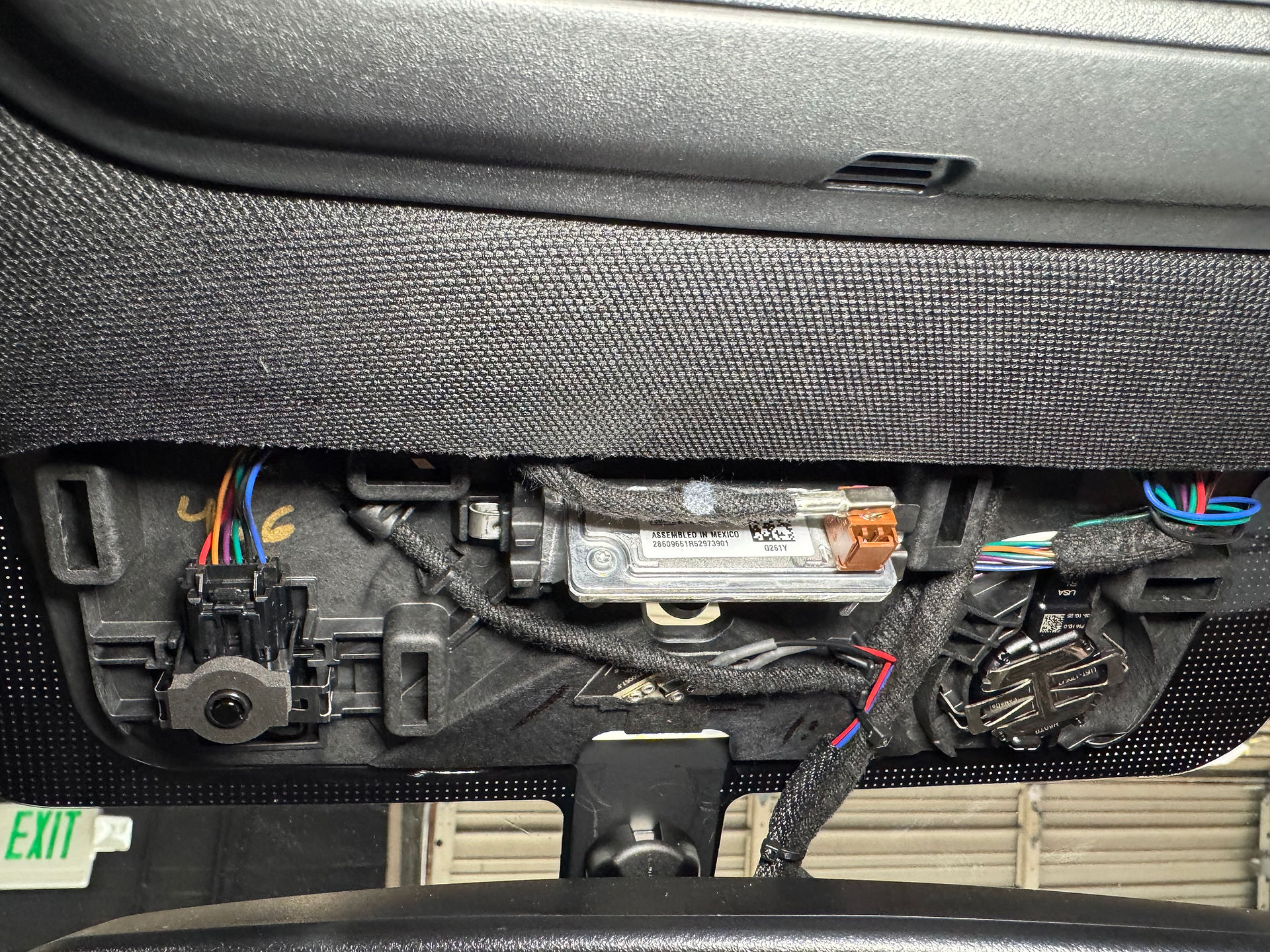

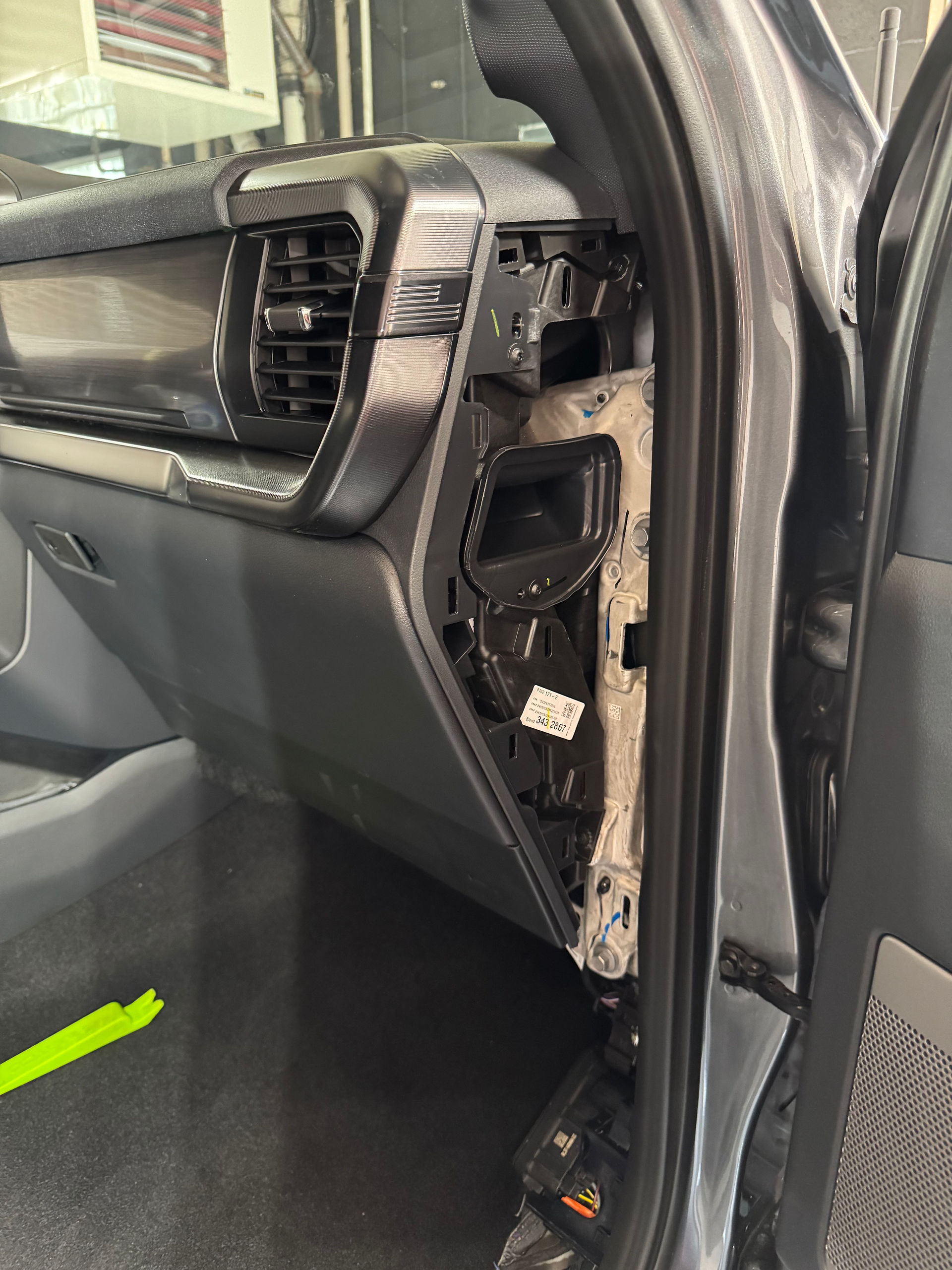

Protected Wiring Paths
Proper wire routing accounts for how panels fit together and how the vehicle moves over time.

Correct routing ensures that:
Wiring is not pinched between panels
Insulation is protected from sharp edges
Movement and vibration do not cause wear
Long-term reliability is preserved
This type of protection is
essential for preventing slow-developing electrical issues
that are difficult to trace later.
Compatibility With Driver Assistance Systems
Many vehicles use cameras and sensors near the windshield and rear glass for systems such as:
Lane-keeping assist
Collision avoidance
Adaptive cruise control
Proper camera placement and wiring ensure that:
Sensor views remain unobstructed
Electrical noise is avoided
Calibration and system performance remain intact
These systems are highly sensitive, and correct integration preserves their accuracy and reliability.
Warranty-Friendly Installation Practices
Installing a dash cam does not automatically void a vehicle warranty. However, warranty claims can be affected if an aftermarket installation is believed to have contributed to a problem.
Warranty-friendly installation practices include:
Correct fuse taps
Factory-appropriate grounding points
Clean, concealed wiring
Secure connections away from control modules
Properly reassembled trim panels
When installation follows best practices, it leaves no reason for a dealer to question the work.


Comments